
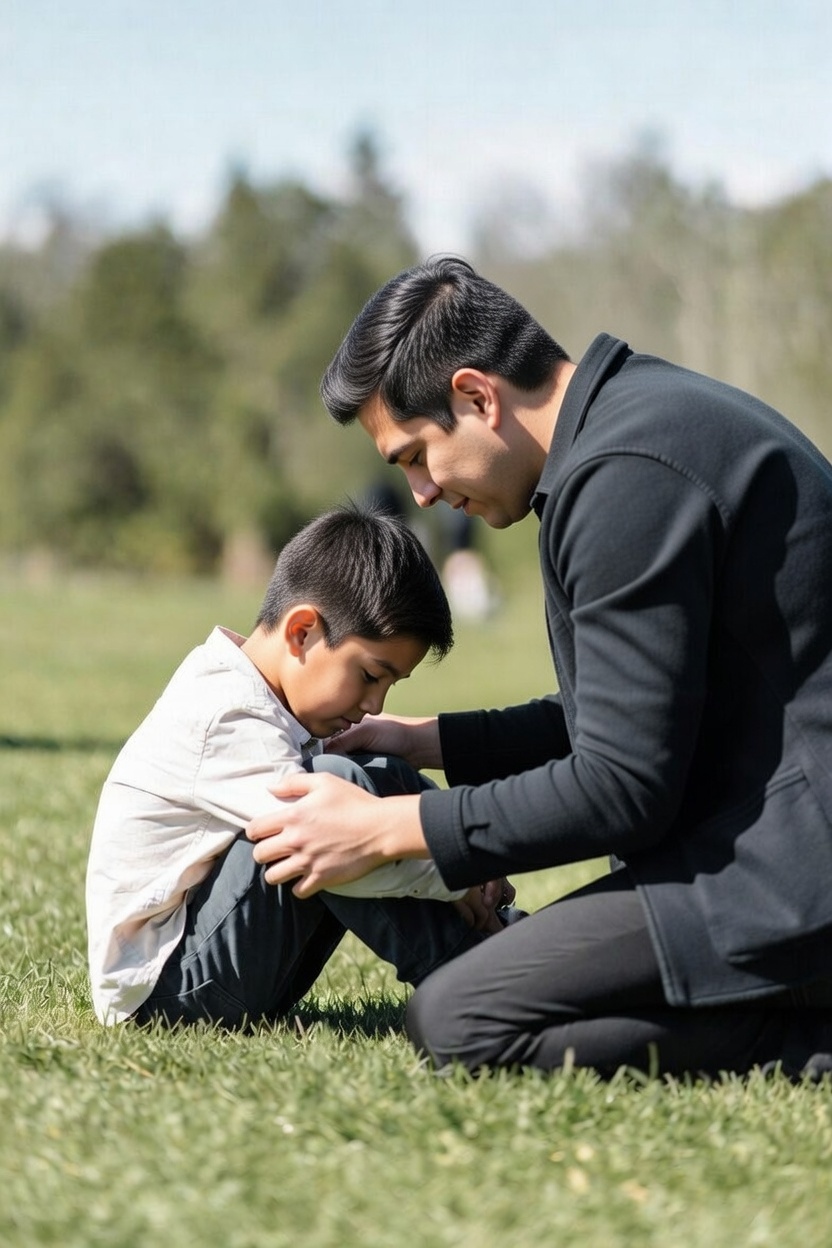




Talking to children about death is one of the most delicate conversations a caregiver may face. Children experience grief differently than adults, and they rely on the adults around them for clarity, comfort, and emotional safety. This guide offers compassionate, age‑appropriate ways to help children understand loss and begin to heal.
Understanding How Children Experience Death
Children’s understanding of death evolves as they grow. Their reactions may shift quickly — from sadness to play — and this is a normal part of how they process grief.
Young Children (Ages 2–6)
Young children often do not understand that death is permanent. They may ask repeated questions or believe the person will return. Their grief is often expressed through behavior, changes in routine, or play.
School‑Age Children (Ages 7–12)
Children in this age group begin to grasp the finality of death. They may worry about their own safety or the safety of loved ones. Many want clear, factual explanations and may ask thoughtful or difficult questions.
Teens (Ages 13–18)
Teens understand death similarly to adults but may struggle to express emotions openly. They appreciate honesty, respect, and being included in conversations about what has happened.
How to Talk to Children About Death with Compassion
When speaking with children about death, honesty and emotional presence matter more than perfect wording. Children need reassurance that they are safe and supported.
Use Clear, Simple, and Honest Language
Avoid confusing phrases such as “went to sleep” or “passed away.” Instead, gently explain that the person died and their body has stopped working.
Encourage Questions and Offer Reassurance
Children may repeat questions as they try to understand what happened. Answer calmly and consistently each time.
Validate Their Feelings
Let children know that all feelings — sadness, anger, confusion, fear — are normal. Encourage them to express emotions in ways that they feel comfortable.
Maintain Routines and Stability
Keeping regular routines helps children feel secure during times of change. A familiar structure offers comfort when everything else feels uncertain.
Age‑Appropriate Ways to Support Grieving Children
Children benefit from choices and opportunities to express their grief meaningfully.
Ways Children Can Participate in Memorial Rituals
When appropriate, allow children to participate in simple activities such as:
- Drawing a picture
- Writing a letter
- Lighting a candle
- Choosing a flower
- Attending a memorial service (with preparation)
Participation helps them feel included and supported.
Helping Children Cope with Grief Over Time
Grief is not a one‑time event. Children may revisit their feelings months or years later as they mature and understand the world differently.
You can support them by:
- Checking in regularly
- Encouraging creative expression through art, play, or journaling
- Reading age‑appropriate books about loss
- Offering patience and reassurance
Healing takes time, and children often process grief in small steps.
When to Seek Professional Support
Some children may need additional help from a grief counselor or child therapist. Consider seeking support if a child:
- Withdraws for long periods
- Struggles with sleep or appetite
- Shows persistent fear or guilt
- Has school or social difficulties
- Talks about self‑harm
Professional guidance can provide tools to cope in healthy, constructive ways.
Support for Families from Memory Eternal Funeral Directors
At Memory Eternal Funeral Directors, we are committed to supporting families long after the service ends. Our team offers compassionate guidance, grief resources, and ongoing support throughout the healing process.
For more information, please visit our Grief Resources page.