
Grief Support
How to Write a Eulogy That Honors a Life
Writing a eulogy is a gift to the living and a tribute to the departed. Learn the structure, examples, and delivery tips for a eulogy that honors a life.

Writing a eulogy is a gift to the living and a tribute to the departed. Learn the structure, examples, and delivery tips for a eulogy that honors a life.

Returning to work while grieving is hard. Here’s how to ask for bereavement leave, set boundaries, and find support without putting your job at risk.

The first year of grief is measured in milestones: birthdays, anniversaries, holidays. Here’s how to navigate them with intention, self-compassion, and support.
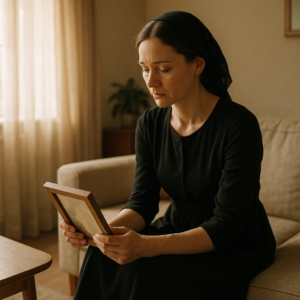
Losing a spouse changes everything. Here is how to support a grieving partner with patience, presence, and practical help—and what not to say.

Practical guidance for Chicago families navigating the quiet, hard days of grief after the funeral, with local resources, Orthodox traditions, and compassionate support.
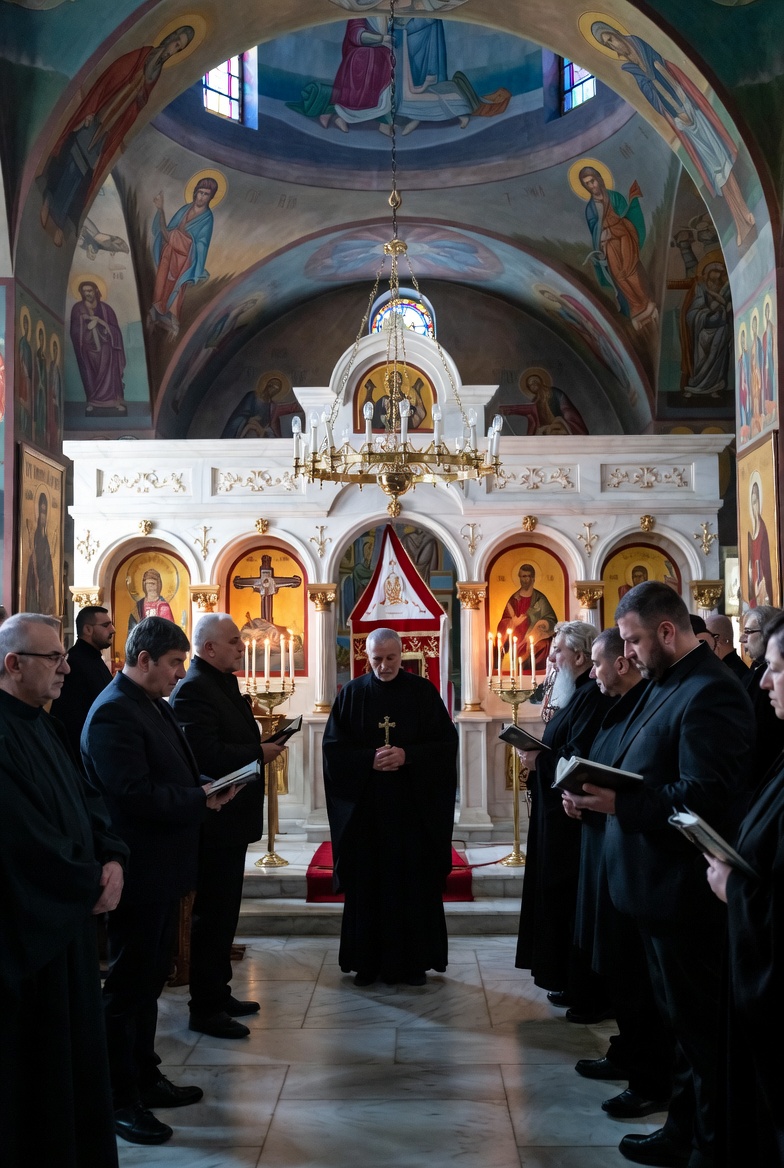
The heart of our life in Christ is found in communion, our sharing in Christ’s own life. This communion is expressed in the liturgical prayers of the Church, where we pray as one: “We commend ourselves and each other and all our life unto Christ our God.” Prayers for the departed affirm they remain alive in Christ and part of the Church. The Greek Orthodox funeral reflects belief in resurrection and eternal life, rooted in scripture and tradition. It offers prayers for the soul and comfort for the grieving. The funeral reflects faith in resurrection and eternal life. Prayers affirm the departed remain alive in Christ and part of the Church. Death is conquered: “Christ has trampled down death by death.