




Grief in the first year after losing a loved one is rarely a straight line — it’s measured in milestones. The first birthday without them. The first holiday. The anniversary of the day they died. For anyone navigating the first year of grief, these dates arrive with terrifying certainty, each one reopening the wound. At Memory Eternal Funeral Directors, we’ve walked beside hundreds of Chicago families through this first year, and we’ve learned what helps: naming the milestone, planning for it, and giving yourself permission to feel whatever comes.
Key Takeaways: The First Year of Grief
- The first year of grief is marked by predictable, painful milestones.
- Naming upcoming dates in advance reduces their shock.
- Honoring rituals — old or new — can transform pain into connection.
- Give yourself permission to change plans, or keep them.
- Grief doesn’t end at year one; it simply changes shape.

Why the First Year Is So Hard
In the first year, every significant date is a first without them. These are the “firsts” that surprise you — the first birthday, the first wedding anniversary, the first Thanksgiving, the first spring planting, the first phone call you reach for and don’t make. Experts call this the “anniversary reaction,” and it’s a well-documented part of grief. Your body and mind remember; the milestones arrive whether you’re ready or not.
Understanding this pattern doesn’t erase the pain, but it can remove the shock. When you know the hard dates are coming, you can prepare for them instead of being ambushed by them.
1. Name the Milestones in Advance
Grab a calendar and mark every significant date for the coming year: birthdays, anniversaries, holidays, and the anniversary of the death. Seeing them written down removes the element of surprise. For each date, decide in advance how you want to spend it. That decision — made calmly, weeks ahead — is far easier than deciding in the raw moment.
2. Honor the Day Your Way
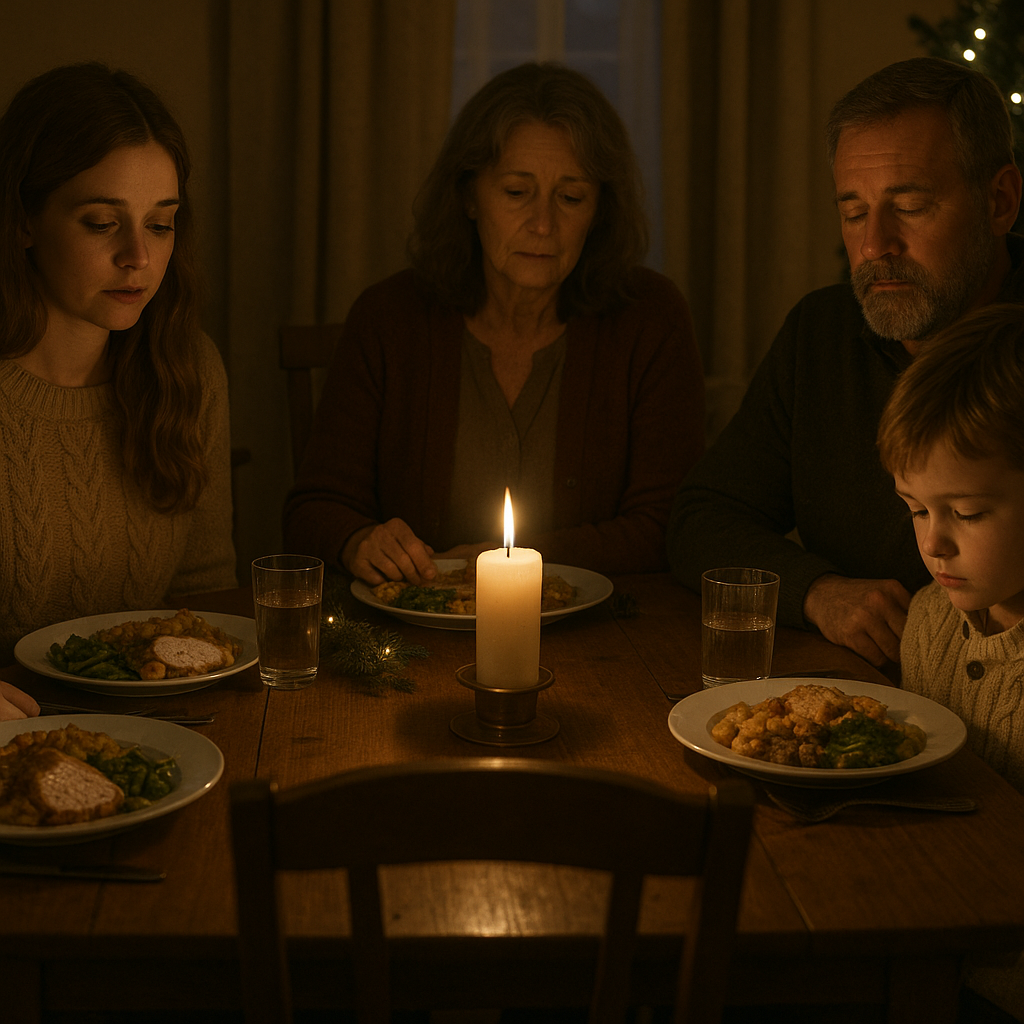
There is no right way to spend a milestone date. Some people want to gather family and share memories; others want to be alone in nature; still others want to busy themselves completely. All of these are valid. What helps most is deliberate choice. If you decide in advance to light a candle and play their favorite music, the day has shape. If you decide to go to work and save the weekend for reflection, that works too. The danger is drifting through the day without intention and letting the pain decide for you.
3. Create New Rituals
Rituals are how humans carry loss forward. Many families plant a memorial tree on the anniversary, cook the loved one’s favorite meal, write a letter, or visit the cemetery. Our guidance on holidays, anniversaries, and significant dates explores these traditions in depth. A new ritual doesn’t replace what you lost — it creates a place where memory can live and grow.

4. Give Yourself Permission to Change Plans
Here’s the paradox: planning helps, but flexibility matters more. You may plan a full family gathering and wake up unable to face it. That’s not failure — that’s grief. Have an exit strategy. Tell a trusted person, “If I need to leave early, I will, and I don’t need a reason.” Give yourself the same permission you would give a grieving friend.
5. Grief Beyond Year One
Society often treats the one-year mark as a finish line. It isn’t. Many people find the second year harder in a different way — the numbness wears off and the reality is permanent. What changes by year two is not the absence of grief but your relationship to it. The milestones become less like fresh wounds and more like familiar, heavy landmarks. That’s not healing in the sense of “getting over it”; it’s learning to carry it.
If the milestones feel overwhelming, professional support helps. Organizations like What’s Your Grief and Grief.com offer practical tools and community for exactly this stage of loss.
Walking Through the First Year With Support
You don’t have to navigate the first year alone. From memorial traditions to compassionate aftercare services, we support Chicago families long after the service ends. If you’d like help planning a memorial, anniversary tribute, or remembrance gathering, our team is here for you around the clock. Memory Eternal.