




An obituary is more than a notice — it’s the first draft of a legacy, a story your family will share for generations. Learning how to write an obituary that captures a life turns a daunting task into a meaningful act of love. At Memory Eternal Funeral Directors, we help families craft obituaries every week, and we know the difference a well-told story makes. Here’s our complete guide.
Key Takeaways: Writing an Obituary
- Start with the essentials: name, age, dates, and location — then add the story.
- Gather memories from family and friends before you write a word.
- A short, warm obituary is better than a long, list-like one.
- Include service details, memorial donation wishes, and where to leave condolences.
- Proofread with a second pair of eyes before publishing.

1. Begin With the Facts
Every obituary opens with the essentials: the full name of the departed (including maiden name if applicable), their age, the date and place of death, and often their place of residence. Including dates of birth and death, and the cause of death (only if the family chooses), gives readers the framework. From there, the obituary becomes a story.
Accuracy matters here — a small error in a name or date becomes permanent and painful. Before you write, collect the facts: exact spelling of names, dates, and the names of all surviving family members. Your funeral director can provide a standard obituary worksheet to keep this organized.
2. Gather Stories Before You Write
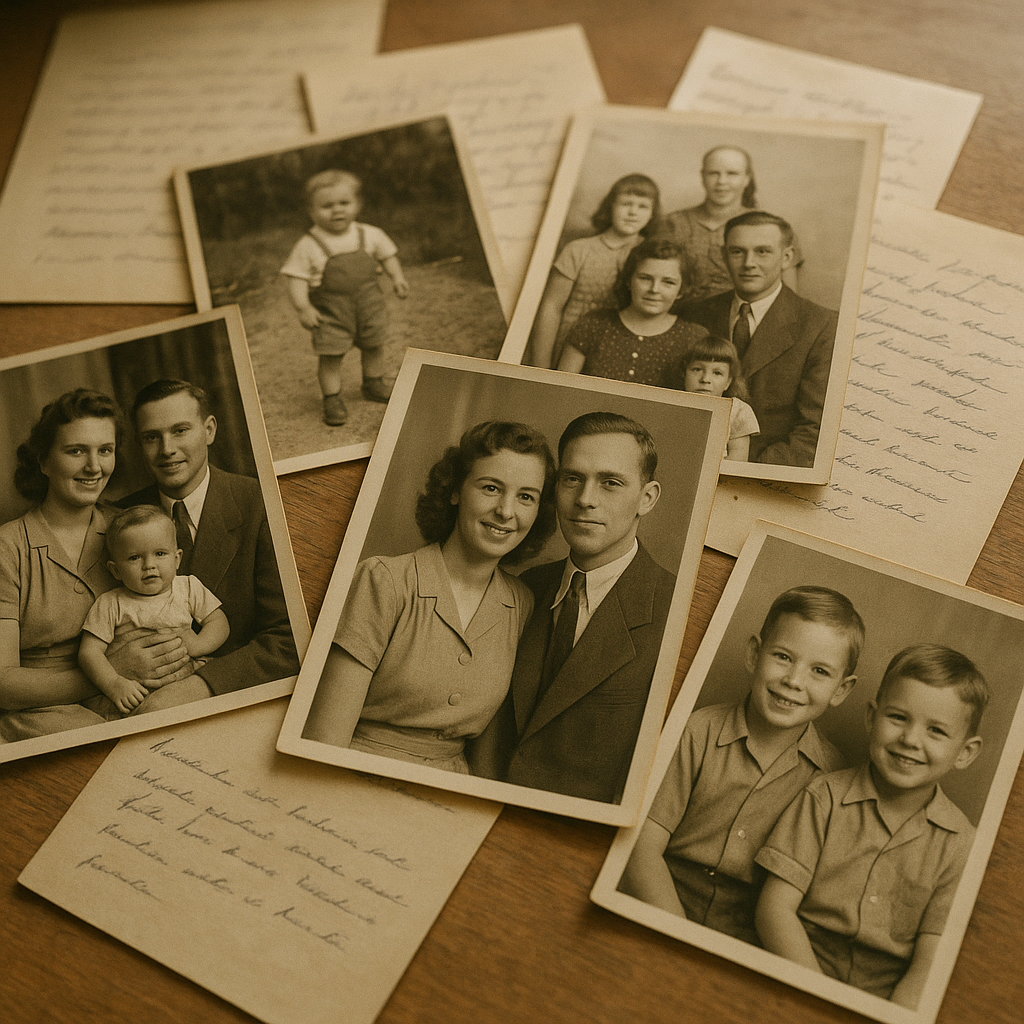
The richest obituaries come from many voices. Call or visit a few family members and close friends, and ask them: “What’s your favorite memory of Mom?” “What did Dad love to do?” These conversations will produce the details that bring an obituary to life — the Sunday dinners, the fishing trips, the lifelong crossword habit, the generous neighbor who never said no.
3. The Structure of a Warm Obituary
A well-structured obituary flows naturally through four parts:
- The announcement — name, dates, and the opening line that captures who they were.
- The life story — where they grew up, family, education, work, faith, and passions.
- What they loved and gave — volunteer work, hobbies, what friends and family will miss.
- Survivors and service details — family list, service time and place, and where to send flowers or memorial donations.
Keep paragraphs short and sentences human. Instead of “John was a dedicated employee of 40 years,” try “John loved his work at the family bakery, where he rose before dawn for forty years and greeted every customer by name.”

4. Include the Practical Details
Readers need to know what to do next. Include the date, time, and place of the visitation and service (and whether the funeral home or church is hosting), the cemetery, and any reception details. State where to send flowers or memorial donations, naming the charity or scholarship fund clearly. If there’s a guest book or online tribute, mention where to leave condolences.
5. Tips for Tone, Length, and Accuracy
There’s no required length — some families write two sentences, others two pages. Aim for what feels complete to you. A touch of personality (a phrase the person used often, a light, kind humor) is welcome if it honors them. Check every name’s spelling, verify all dates, and ask someone outside the immediate family to proofread. Small errors are easier to fix before publishing than to correct in a printed memorial page.
6. When You’d Rather Have Help
Writing an obituary while grieving is genuinely hard, and you don’t have to do it alone. Our obituary writing service guides you through the process, gathers the memories, and drafts the tribute with you. It’s one of the ways we support families beyond the service itself. When you’re ready, reach out to our team — we’re here 24/7 to help you tell your loved one’s story. For a helpful publishing guide, Legacy.com and the National Funeral Directors Association offer resources on obituary writing. Memory Eternal.