


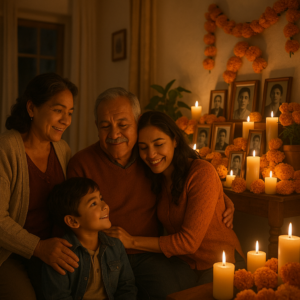

A funeral procession is one of the oldest and most moving rituals of a funeral — a final journey that carries your loved one to their place of rest. For those attending a procession for the first time, knowing what to expect brings confidence and calm. At Memory Eternal Funeral Directors, we guide families through every step of this meaningful farewell, from the funeral home to the cemetery.
Key Takeaways: Funeral Processions
- A procession is the line of vehicles following the hearse from the service to the cemetery.
- Participating cars use headlights and hazard lights, and follow closely in line.
- Mourners may legally follow through intersections where the lead car passes; local laws vary.
- Other drivers yield to funeral processions in Illinois — do not break the line.
- Your funeral director organizes the order of cars and coordinates with police if needed.

1. What Is a Funeral Procession?
A funeral procession is the organized line of vehicles that travels together from the funeral service to the cemetery. It typically begins at the funeral home or church and is led by the hearse carrying the casket. The family follows immediately behind, often in limousines, and friends and relatives complete the line. The procession is a symbolic final escort — the community accompanying the departed to their resting place.
Whether the route is two blocks or twenty miles, the procession maintains its order and its dignity throughout. Understanding how it works — and your role in it — makes the journey meaningful rather than confusing.
2. How the Procession Forms
After the service, your funeral director will organize the cars in the parking lot in a specific order: hearse first, then family vehicles, then everyone else. You’ll be told where to line up, and the director will help drivers who need directions. Each participating vehicle should turn on its headlights and hazard lights so the procession is clearly visible to other motorists.
3. Rules of the Road for Processions
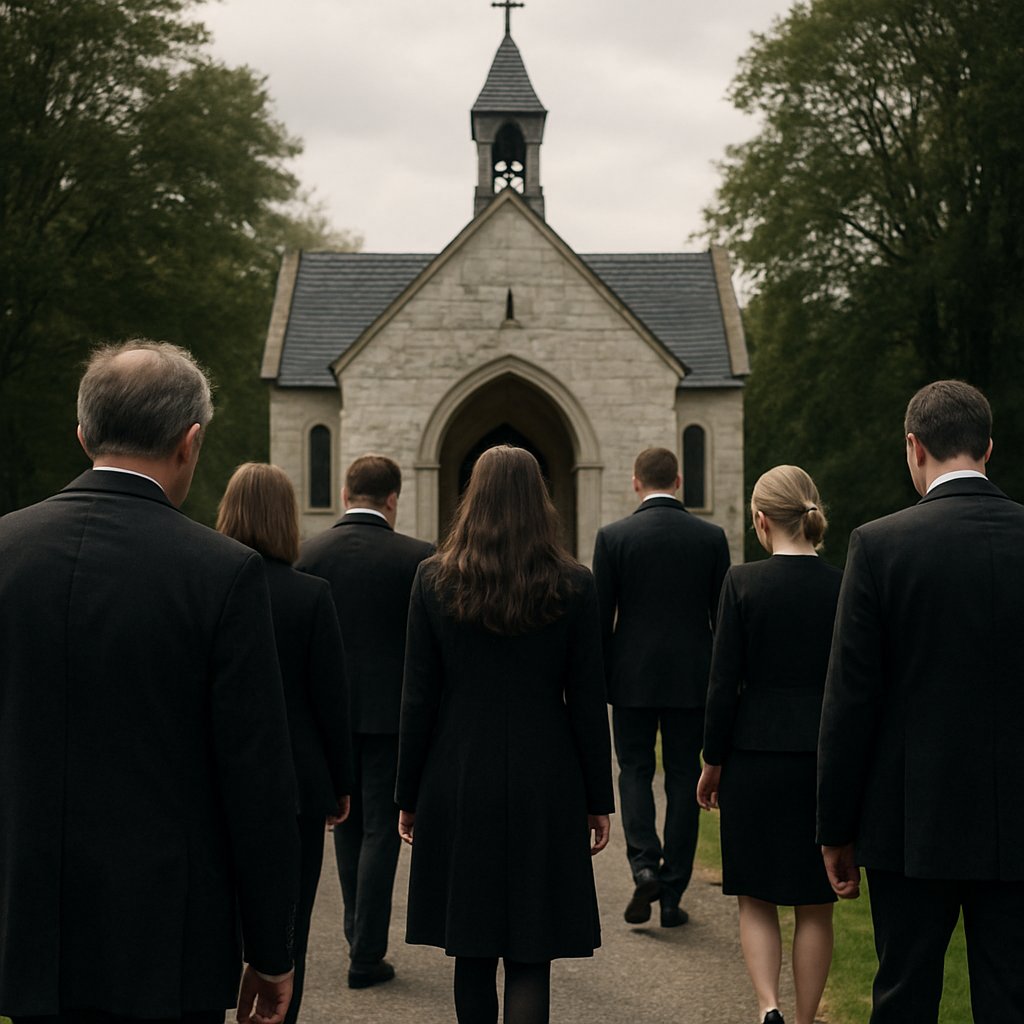
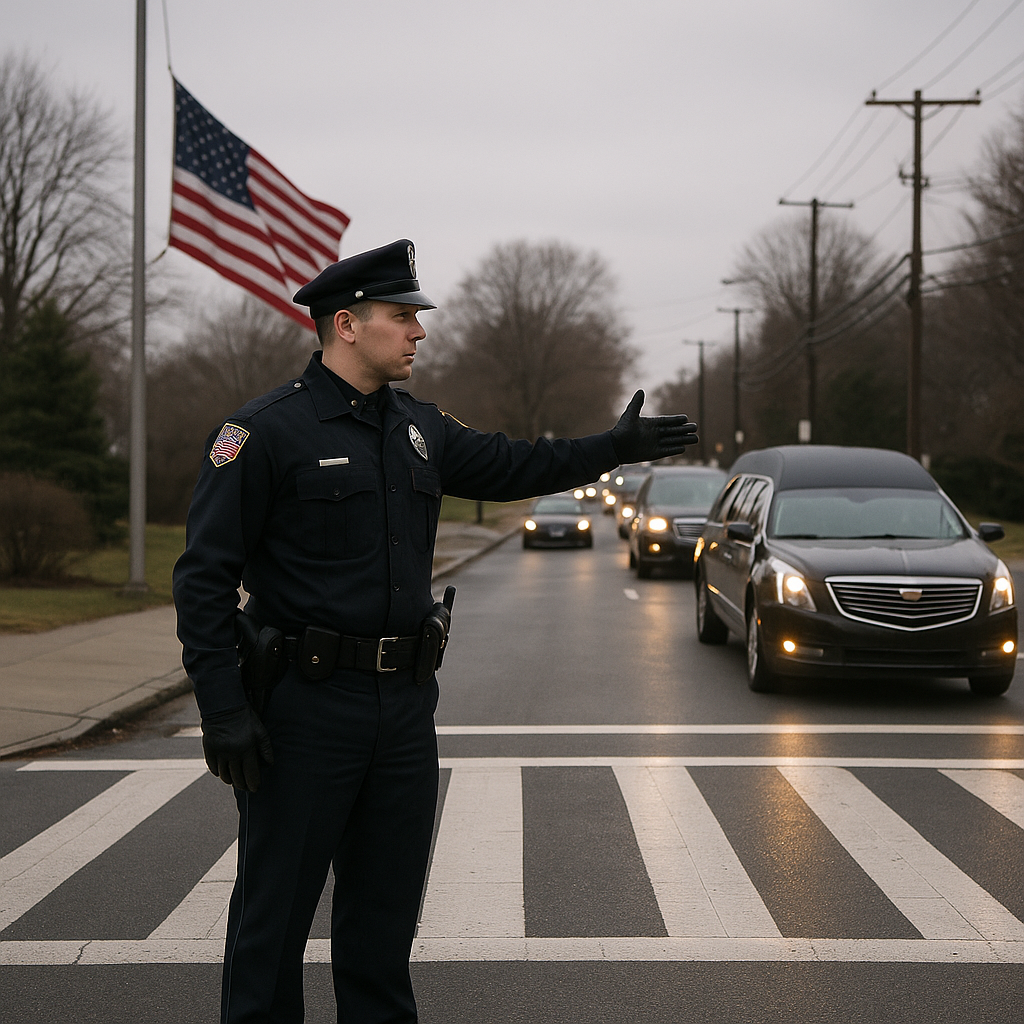
Rules for funeral processions vary by state. In Illinois, members of a funeral procession have certain rights-of-way, and the procession generally proceeds as a unit: once the lead car clears an intersection, the following vehicles follow through as a group, even if the light changes. Vehicles in the procession should stay close together, avoid breaking the line, and never overtake the hearse. Funeral homes often use police escorts or escort vehicles to manage intersections safely. The National Funeral Directors Association and your local DMV provide guidance on the specific rules in your area.
4. What Other Drivers Should Do
If you encounter a funeral procession on the road, the courteous — and often legally required — response is to yield and let the procession pass without cutting through it. This small act of respect is deeply felt by grieving families. Many drivers don’t realize that breaking a procession line is both unsafe and discourteous; pulling over or waiting at an intersection is a meaningful kindness.
5. The Graveside and the End of the Procession
When the procession arrives at the cemetery, it travels to the gravesite, where the committal service takes place. Following the interment, the procession’s formal role ends — but the gathering often continues with a reception or meal shared among family and friends. Some traditions include a brief stop at the church or a blessing at the cemetery gate; your funeral director will guide you through whatever your family or faith requires.
6. Special Considerations for Long Distances
When the cemetery is a long drive from the service — common when families bury a loved one in a hometown plot — funeral homes may split the journey: a formal procession to a nearby point, then individual travel to the cemetery with a coordinated arrival time. This keeps the ritual meaningful without exhausting mourners. Your funeral director will explain the plan clearly, so no one feels lost.
Let Us Guide the Way
A funeral procession is a final, visible act of love — and it should feel seamless, not stressful. From coordinating the hearse and escort vehicles to ensuring every driver knows the route, our funeral services handle every detail. If you’re planning a service or have questions about processions, contact our team, available 24/7. Memory Eternal.