




For many Latino and Hispanic families, a funeral is more than a goodbye — it’s a deeply spiritual gathering that honors a life and brings the community together. From the velorio to the novenario, Latino and Hispanic funeral traditions are rich with faith, family, and meaning. At Memory Eternal Funeral Directors, we proudly serve Chicago’s diverse Hispanic community, blending these cherished customs with professional care.
Key Takeaways: Latino Funeral Traditions
- The velorio (wake) is a time of prayer, community, and remembrance.
- Many families hold a Catholic funeral Mass followed by burial.
- The novenario — nine days of prayer — honors the departed after burial.
- All Souls’ Day (Día de los Muertos) traditions keep memory alive year-round.
- Your funeral director can incorporate every tradition you hold dear.
1. The Velorio: A Wake of Prayer and Presence
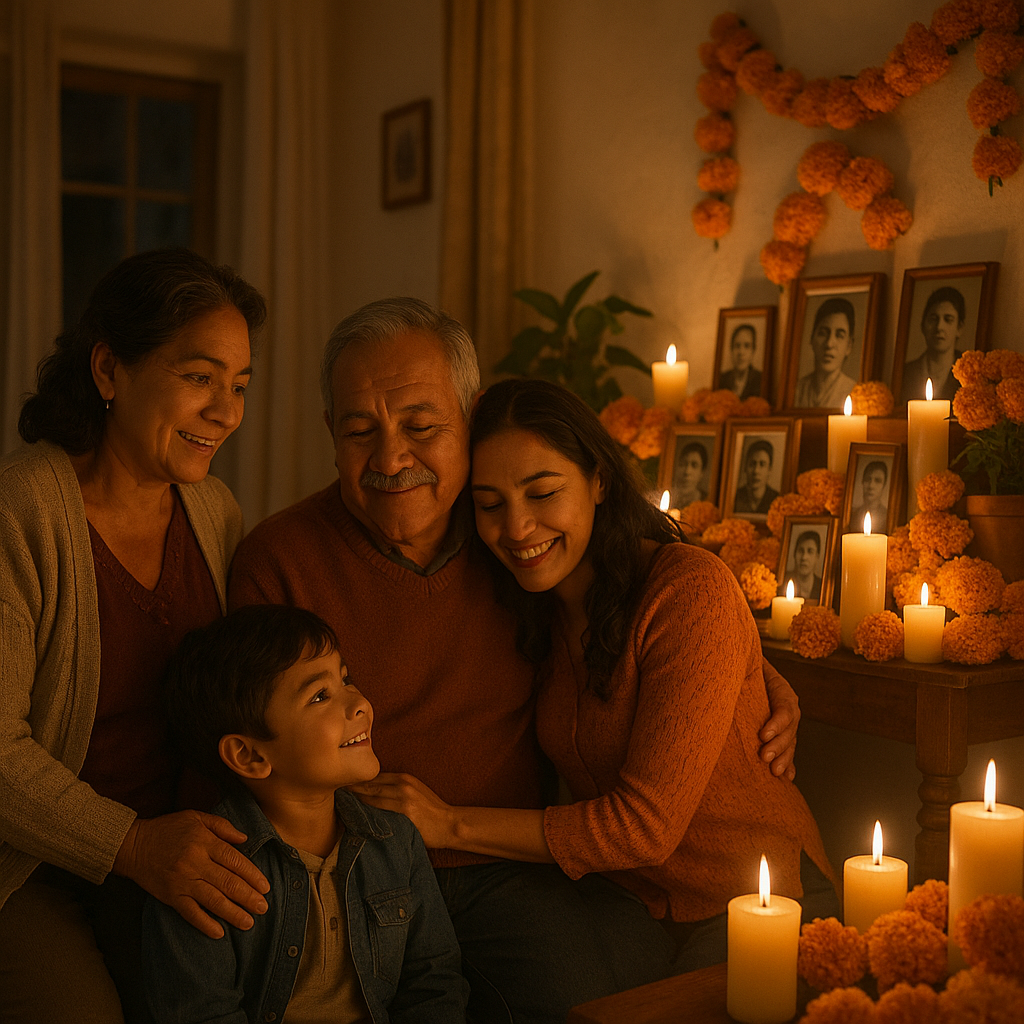
The velorio is the wake held in the days before the funeral. The family gathers around the body — often at the funeral home — to pray the rosary, share memories, and support one another. In many traditions, the velorio includes a candlelit prayer service each evening, and it’s common for the community to keep vigil together. This is not a somber event in isolation; it’s a warm, living expression of the belief that the deceased remains close to those who loved them.
When planning a velorio, families often request religious music, floral arrangements, and space for the rosary. Your funeral director should welcome and accommodate these details — they are the heart of the gathering.
2. The Funeral Mass and Burial
Most Latino families hold a Catholic funeral Mass at the church before burial. The Mass of Christian Burial is a powerful celebration of the departed’s faith, with scripture, prayers, and the blessing of the body. Following the Mass, the procession leads to the cemetery, where the burial completes the rite. Your funeral director coordinates closely with your parish to ensure the liturgy honors your family’s traditions.
3. The Novenario: Nine Days of Prayer
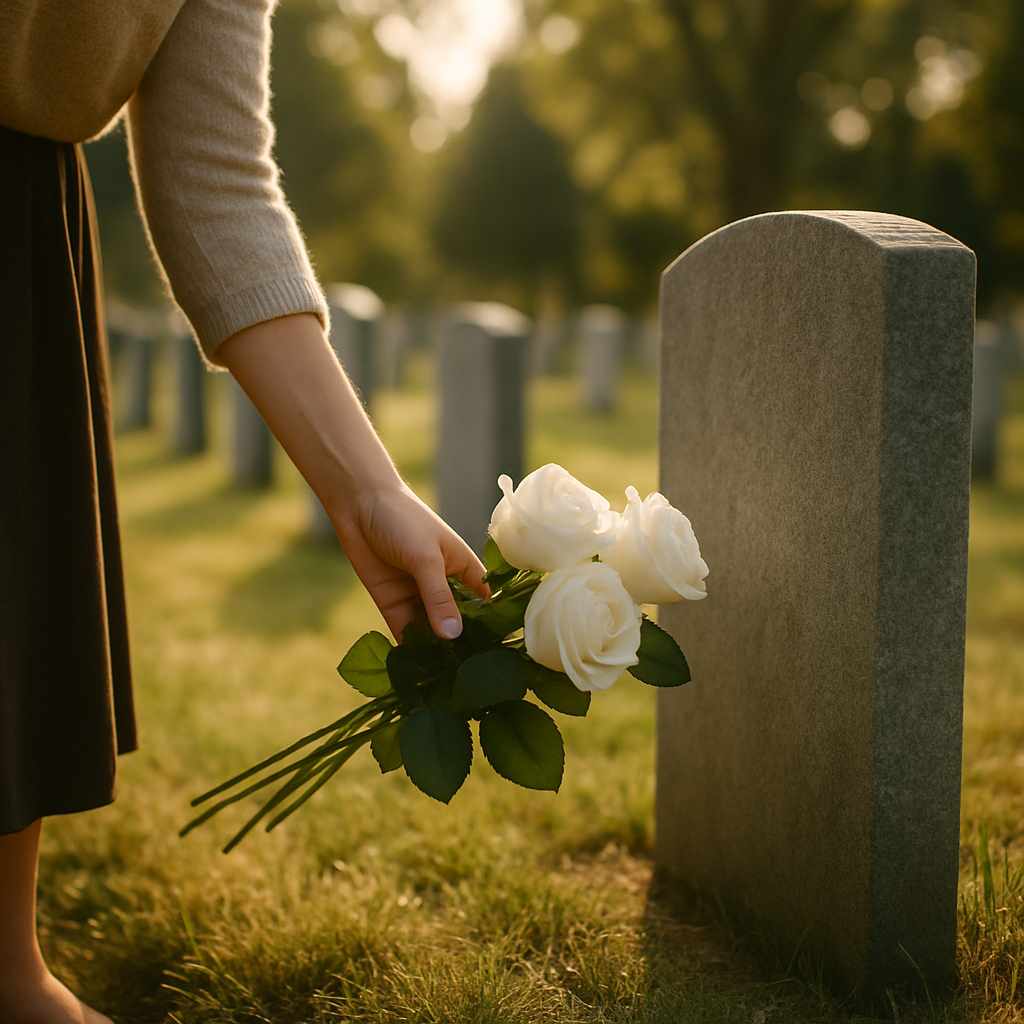
A distinctive Hispanic tradition is the novenario — nine days of prayer for the departed following the burial. Family and friends gather at the family home each evening to pray the rosary and share memories, often ending with a meal and coffee. The ninth night is typically the most elaborate, honoring the completion of the novena. This sustained period of communal prayer is a profound source of comfort and a hallmark of Latino mourning customs.
4. Remembering at All Souls’ Day and Beyond
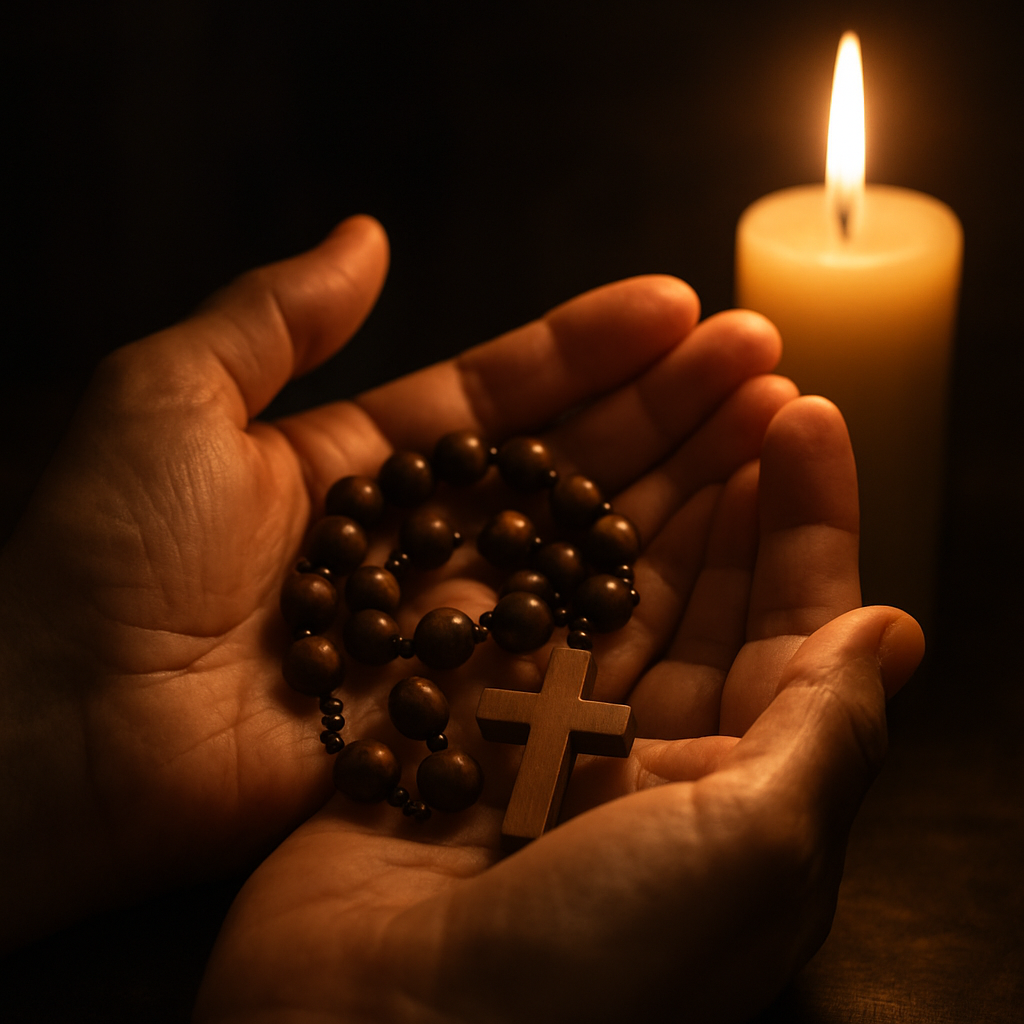
On November 2nd, many Latino families celebrate All Souls’ Day (Día de los Muertos in Mexico and Central America), when graves are cleaned, decorated with marigolds, and visited with food and remembrance. Families also mark the anniversary of the death with a memorial Mass. These traditions keep the memory of loved ones alive in daily life — something we encourage and support. If you’re preparing for an anniversary memorial, our grief resources offer guidance for these tender dates.
5. Planning a Funeral That Honors Your Culture
Every family’s traditions differ — from Puerto Rican, Mexican, Cuban, and Central American customs to variations between rural and urban communities. When you plan with a funeral director who understands and respects Hispanic culture, no tradition is too small to honor. Whether it’s a specific saint’s image, particular music, or a meal after the service, your wishes can be fully incorporated. The United States Conference of Catholic Bishops and the CANA offer helpful perspectives on Catholic funeral practices for planning.
6. When Death Happens: We’re Here, En Español
Losing a loved one is overwhelming, and the practical steps can feel impossible — especially in a new language. Knowing what to do when a loved one dies is easier with a bilingual team by your side. Our funeral directors at Memory Eternal speak English and Spanish, and we help you navigate every step — paperwork, church coordination, and tradition — with patience and respect. Contáctenos en cualquier momento; we’re available 24/7. Memory Eternal.