Obituaries

Tributes and memorials honoring the lives and legacies of those we’ve lost.

Tributes and memorials honoring the lives and legacies of those we’ve lost.

An older woman with glasses smiles in front of a group of people.
Obituaries

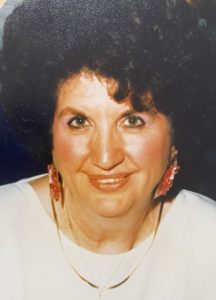
Adeline Kalant

Adeline P. Kalant, age 100, fell asleep in our Lord on April 11, 2021. Beloved wife of the late George A. Kalant. Loving mother of Cary (Maria) Kalant. Cherished grandmother
An older woman is smiling next to an older woman.
Obituaries

Georgia Apostal

Georgia Apostal nee Bellairs. Beloved wife of the late Leon Apostal. Devoted daughter of the late Kosta and Stavroula Bellairs. Dear sister of Anastasia (the late John) Touroutsika. Fond aunt,
An older man smiling next to a white horse.
Obituaries

James Karantzis

James Karantzis, age 92. Army Veteran of the Korean War on special assignment. Beloved husband of the late Georgia Karantzis nee Photopoulos. Loving father of Ellen Karantzis. Devoted son of
No posts available.

Understanding the Greek Orthodox Funeral Service

The heart of our life in Christ is found in communion, our sharing in Christ’s own life. This communion is expressed in the liturgical prayers of the Church, where we pray as one: “We commend ourselves and each other and all our life unto Christ our God.” Prayers for the departed affirm they remain alive in Christ and part of the Church. The Greek Orthodox funeral reflects belief in resurrection and eternal life, rooted in scripture and tradition. It offers prayers for the soul and comfort for the grieving. The funeral reflects faith in resurrection and eternal life. Prayers affirm the departed remain alive in Christ and part of the Church. Death is conquered: “Christ has trampled down death by death.
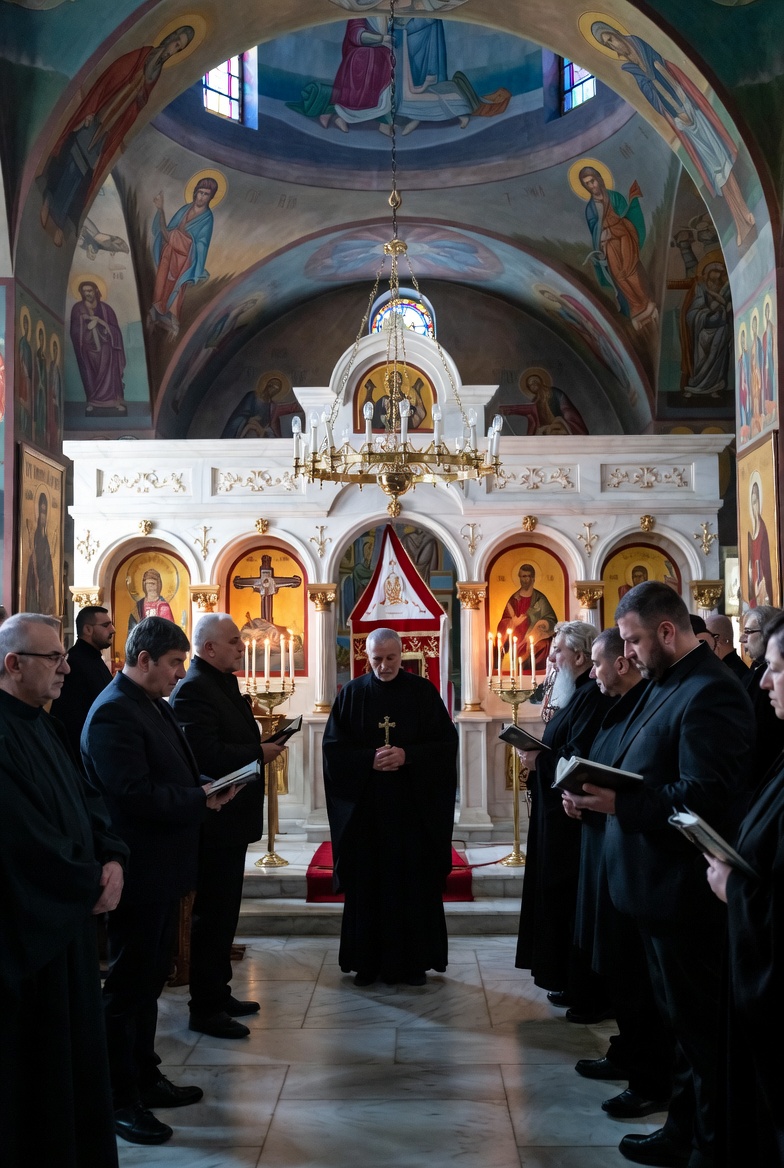
Trisagion Service

A prayer invoking the Holy Trinity, is chanted at the funeral home (if a wake is held before the funeral service), in the church on the day of the funeral, at the graveside following the funeral service, and for memorial services.

Such as the Evlogetaria (“hymns of praise”), expressing hope in eternal life.
From Psalms, Epistles, and Gospels.
For forgiveness and repose, led by the priest.
An open casket is customary, allowing family and friends to be near the deceased and say their final farewells.
At the end of the service, mourners come forward to say a final goodbye, which may involve kissing the icon of The Resurrection or a hand-cross placed on the casket.
After the attendees and the family have come and offered their final greeting, the priest anoints the body in the sign of the Cross with oil and earth. As the priest anoints with the oil he says: “Sprinkle me with hyssop and I shall be clean. Wash me and I shall be whiter than snow” (Psalm 51:7). As the priest anoints the body with earth, he says: “The earth is the Lord’s, and the fullness thereof; the world and all that dwell in it (Psalm 24:1). You are dust and to dust you shall return” (Genesis 3:19).
(if you are able) during key parts, as customary. A candle symbolizes Christ’s light. In the light of Pascha (Easter), we understand death as conquered: Christ has “trampled down death by death” bringing joy amid grief.
Arrival and Attire
Arrive on time; wear modest, dark clothing.
Observe quietly; non-Orthodox are welcome. Follow standing/sitting cues.
No photography or loud talk. Bodies are treated with honor—cremation is not permitted for the faithful.
Koliva (boiled wheat) symbolizes resurrection. Offer condolences: “May their memory be eternal.”
The Makaria (memorial meal) often follows, sharing memories, strengthening hope, and comforting the grieving. Visit graves for prayers, especially the week after Pascha. Memorial services occur at 40 days, one year, and beyond. Nothing in Orthodox practices is morbid – focus is on healthy remembrance and eternal life.
ME Group shot

Sign up to receive updates on new resources

Receive helpful articles, grief support resources, and service updates—all thoughtfully curated to support you and your loved ones during life’s most challenging moments.