




When a loved one dies abroad — while traveling, living overseas, or visiting family in another country — the pain of loss is compounded by distance. International repatriation is the process of bringing a deceased person’s remains home for burial or memorial. It’s a complex, paperwork-heavy journey, but with the right guidance it can be handled smoothly. At Memory Eternal Funeral Directors, we help Chicago families bring their loved ones home with dignity.
Key Takeaways: International Repatriation
- Repatriation involves the country of death’s authorities, the embassy or consulate, and a funeral director on each end.
- An international death certificate and consular paperwork are typically required.
- Remains may travel by commercial flight, with specific embalming and container requirements.
- Hire funeral homes that specialize in repatriation — one that has done this many times.
- Costs can range widely; ask for a full itemized estimate before committing.

1. How Repatriation Works
The process of bringing a loved one home typically unfolds in stages. First, authorities in the country of death are notified, and a local physician or coroner issues a death certificate. Next, a funeral home in that country prepares the remains for transport — which usually requires embalming and a sealed, air-transport-certified container. Finally, the remains are flown home, where a local funeral director receives them and coordinates the funeral you’ve planned.
Throughout, the U.S. Department of State and the nearest U.S. embassy or consulate provide guidance and consular services to American citizens, including the documentation needed to bring remains into the United States.
2. The Paperwork That Makes It Possible
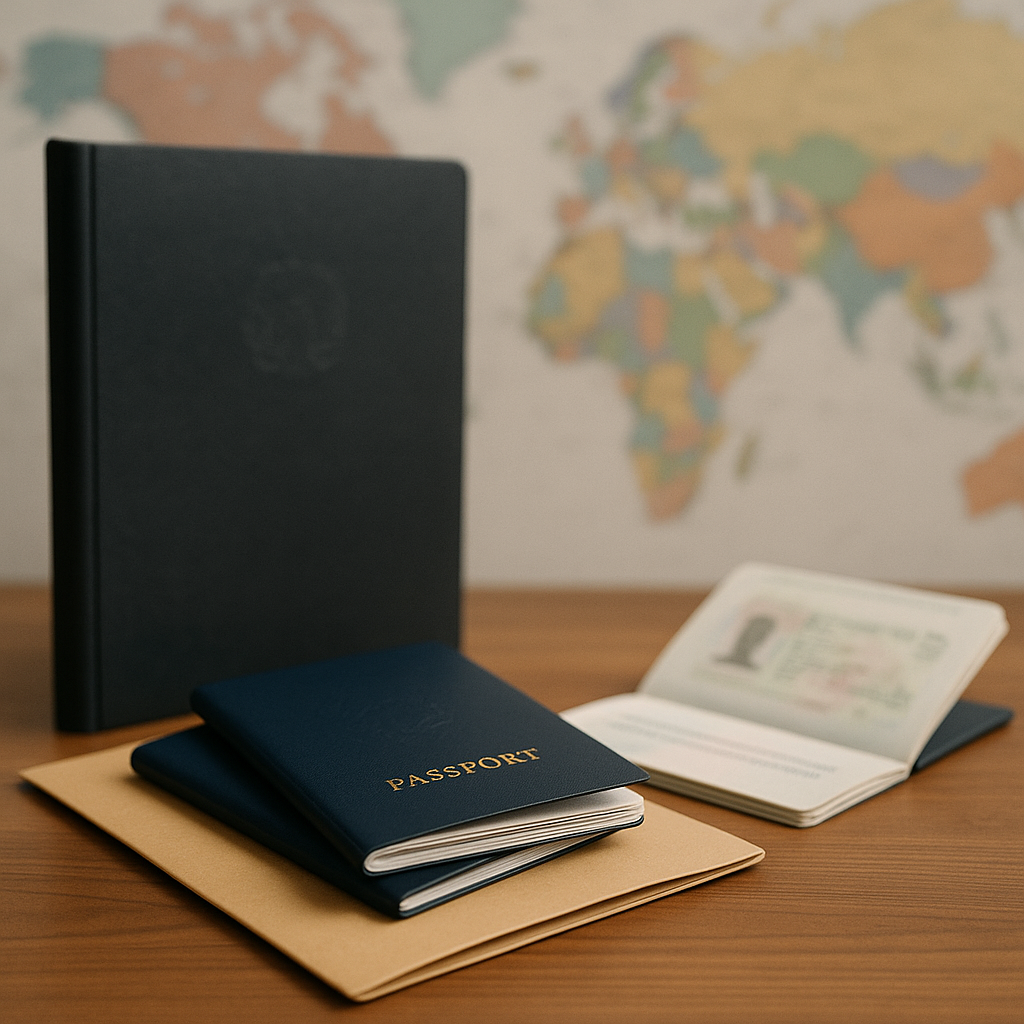
While requirements vary by country, most repatriations involve a set of standard documents:
- The international death certificate — issued by the country of death and often needing translation.
- A burial-transit permit — issued by local authorities.
- Consular certification — documents authenticated by the U.S. embassy or consulate.
- Customs documents — required by U.S. Customs and Border Protection and the importing airline.
3. Embalming and the Transport Container
For remains to travel by air, most countries require embalming and a rigid, sealed container — typically an inner zinc or plastic liner with a wooden outer case. Airlines have specific dimensions and documentation requirements, which is why working with a funeral director who specializes in repatriation matters so much. They ensure the preparation meets every rule of the airline and the destination country.
4. Cremation: A Simpler International Option
In some cases, families choose to have their loved one cremated in the country of death and bring the ashes home. This is generally far simpler and less expensive than shipping a body — cremated remains travel more easily and with fewer restrictions, though documentation is still required. Once the ashes arrive in Chicago, you can hold a full memorial service, bury the urn, or scatter the remains according to your traditions. Our guide on cremation versus traditional burial can help you weigh the options.

5. What Does Repatriation Cost?
Costs depend heavily on the country of death, the method of transport, and the preparation required. A full body repatriation commonly ranges from several thousand dollars to well over ten thousand, including the overseas funeral home’s fees, embalming, the transport container, airline cargo costs, and the local funeral home’s services upon arrival. Always request an itemized, written estimate before committing, and confirm whether travel insurance will cover the cost.
6. How a Chicago Funeral Director Helps
When you work with us, we coordinate the entire repatriation on the U.S. side: receiving the remains, handling the customs and import paperwork, providing the casket or urn, and planning the service that honors your loved one. We also help you stay informed at every step so you’re never left wondering what’s happening. If you’re facing this situation now, call us — we’re available 24/7. And if you’re planning ahead, pre-planning can include repatriation provisions so your family never has to navigate it alone. Memory Eternal.