




In the Greek Orthodox tradition, death is not an ending but a transition into the loving presence of God — and the living continue to honor the departed through prayer. The Mnemosyna (memorial services) held at 40 days and at the one-year anniversary are among the most cherished of these traditions. For Orthodox families in Chicago, these services offer a powerful way to remember, to grieve, and to hope. At Memory Eternal Funeral Directors, we help families honor these sacred milestones with dignity.
Key Takeaways: Mnemosyna Memorial Services
- Memorial services are held at 40 days, at one year, and often on anniversaries thereafter.
- Mnemosyna are services of prayer for the departed, rooted in the hope of resurrection.
- Koliva — boiled wheat, honey, and pomegranate — is prepared and shared at the service.
- Families may host a fellowship meal (makaria) after the service.
- Your parish and funeral director can help plan and coordinate each memorial.
1. Why 40 Days?
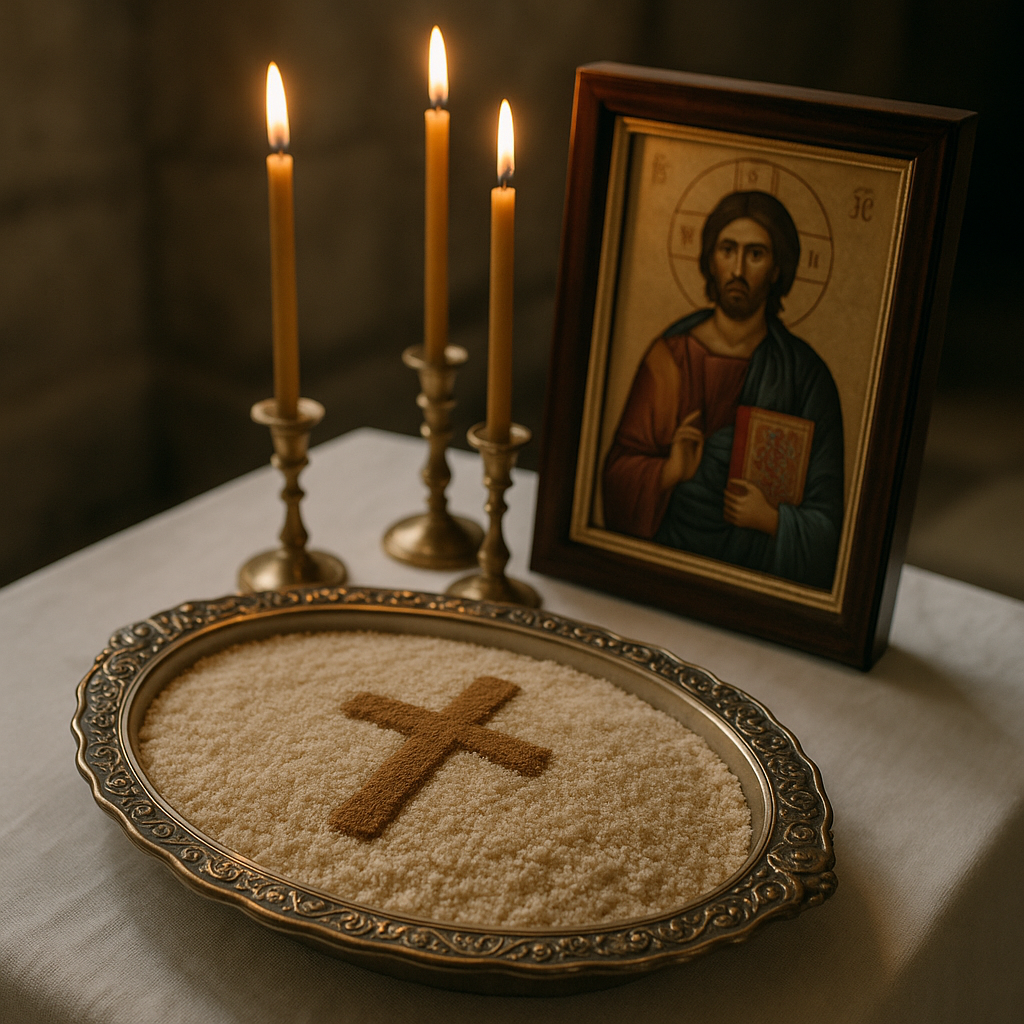
The 40-day mark has deep biblical roots — from the 40 days of the flood to Christ’s 40 days in the wilderness. In Orthodox teaching, the 40 days following death are a period of prayerful transition, and the memorial at this time is especially significant. The family gathers at the church for a Trisagion service, and the community prays for the soul of the departed.
It’s a tender moment: the acute shock has passed, but the absence is now daily reality. The 40-day service gives family and friends a structured way to grieve together, surrounded by the prayers of the church.
2. The One-Year Memorial
The one-year anniversary of death is marked with a larger memorial service. Many families view this as a milestone of grief — a full year of seasons without their loved one. The service is followed by the sharing of koliva and often a makaria meal. It is also common to hold a smaller memorial on the third, seventh, and ninth days after death in some traditions, though the 40-day and one-year services are the most widely observed.
3. The Koliva: A Symbol of Resurrection
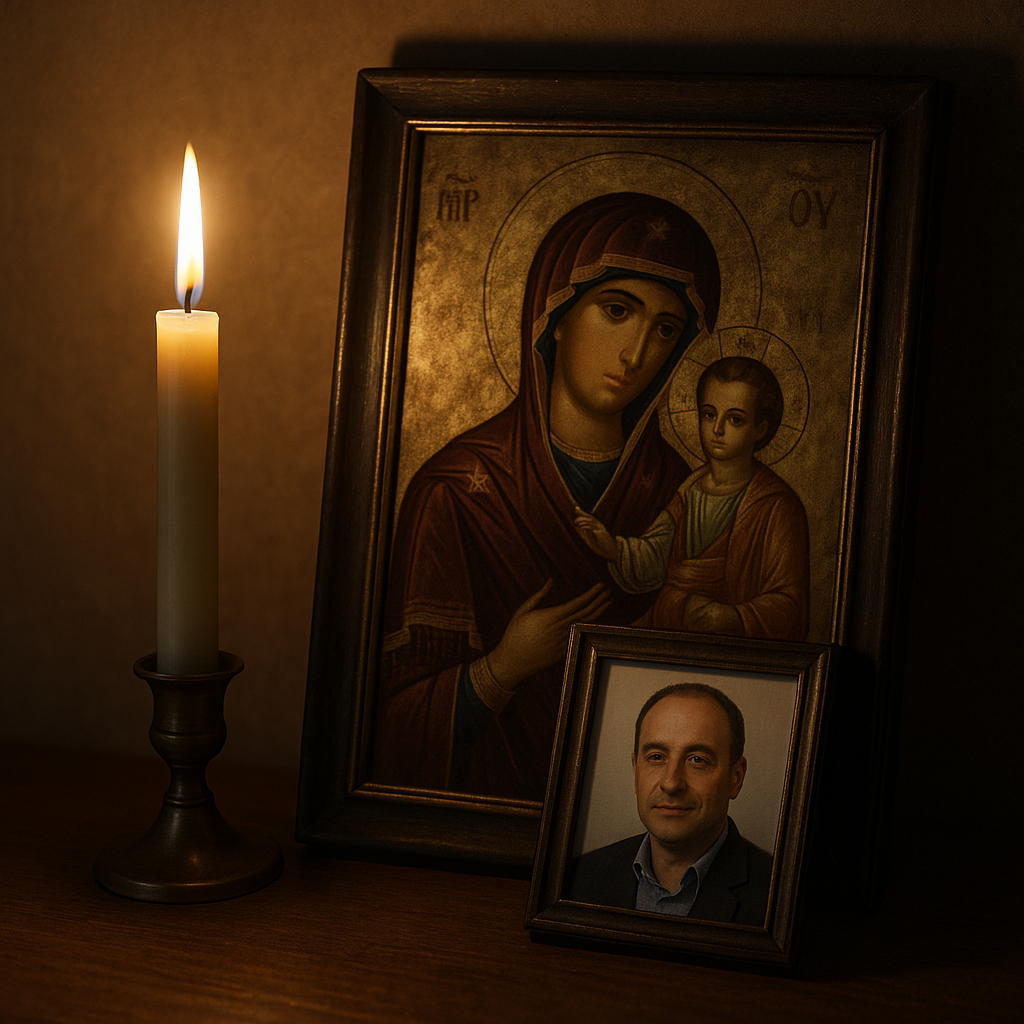
No Orthodox memorial is complete without koliva — boiled wheat berries mixed with honey, raisins, pomegranate seeds, and cinnamon, often topped with powdered sugar and decorated with a cross. The wheat symbolizes the departed, who, like a seed planted in the earth, awaits the resurrection. The sweetness of honey represents the joy of the kingdom of God.
Preparing koliva is a labor of love often done by the family or parish ladies’ society. Your funeral home or parish can guide you on preparation and presentation, especially if you’re honoring the tradition for the first time.
4. The Makaria: Fellowship After Prayer
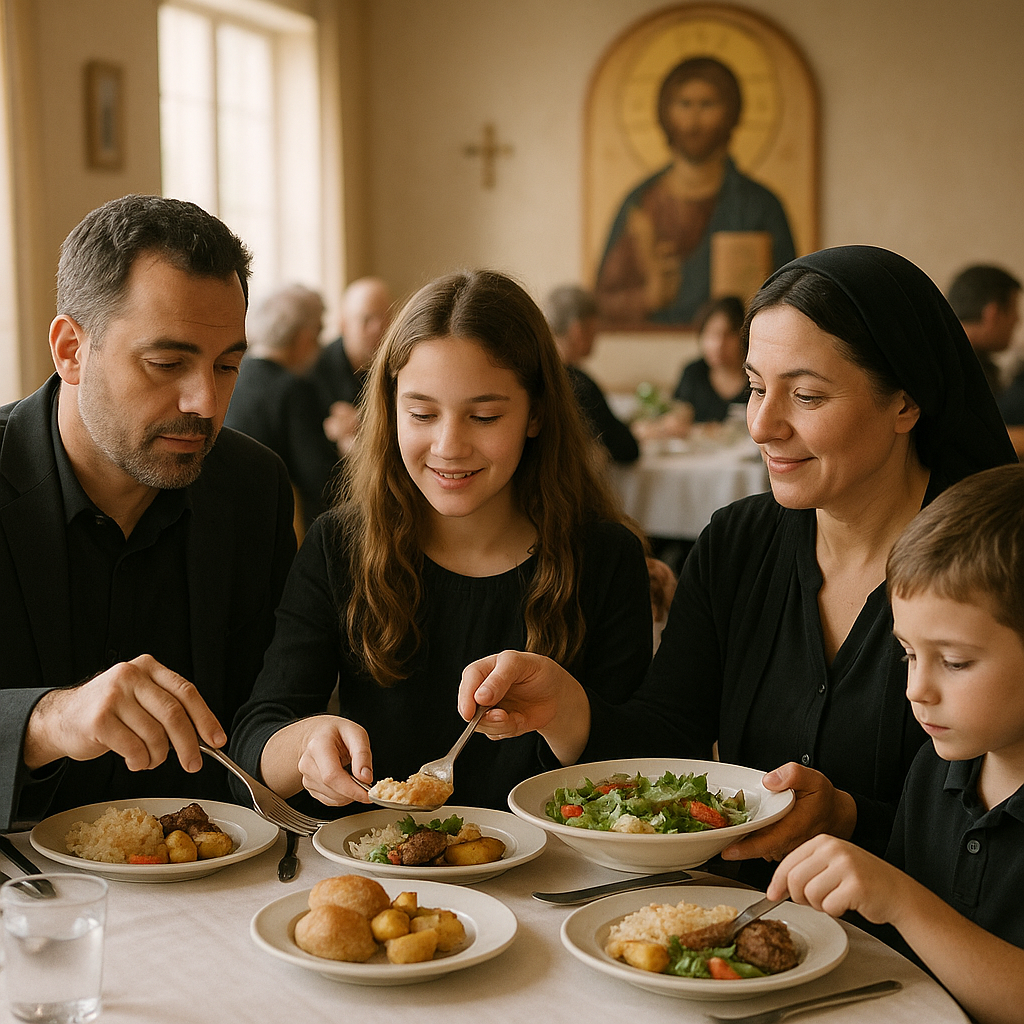
After the memorial service, the family traditionally hosts a meal for those who attended. This gathering — the makaria — is a continuation of the mercy meal served after a funeral. It’s a time for stories, laughter, and tears, and it reminds the family they are not alone in their grief. Your funeral director can help arrange catering or a room at a local restaurant or parish hall.
5. Who Can Attend and How to Prepare
Memorial services are open to anyone who wishes to honor the departed — family, friends, and members of the parish. There is no need for formal invitations. If you’d like to offer support to a grieving Orthodox family, attending the memorial service and sharing in the makaria is a profound act of love. If you’re the family planning the service, your parish office will guide the scheduling, and your funeral director can coordinate logistics.
6. Honoring Anniversaries in the Years Ahead
While the 40-day and one-year services are the most significant, many families hold memorials each year on the anniversary of the death, especially on the Saturday of Souls (the Saturdays before Meatfare, Great Lent, Pentecost, and in autumn), when the church commemorates all the departed. These ongoing remembrances are a beautiful way to keep a loved one’s memory alive. Our grief resources can help you navigate anniversaries with intention and self-compassion.
Planning a Mnemosyna With Compassion
Whether you’re planning a 40-day service, a one-year memorial, or simply learning about the tradition, you don’t have to navigate it alone. We coordinate closely with your parish so the service reflects your faith and honors your loved one. If you’re ready to plan, reach out to our team — we’re available 24/7. For a deeper understanding of Orthodox worship, the Greek Orthodox Archdiocese and the Orthodox Church in America offer wonderful resources. Memory Eternal.